


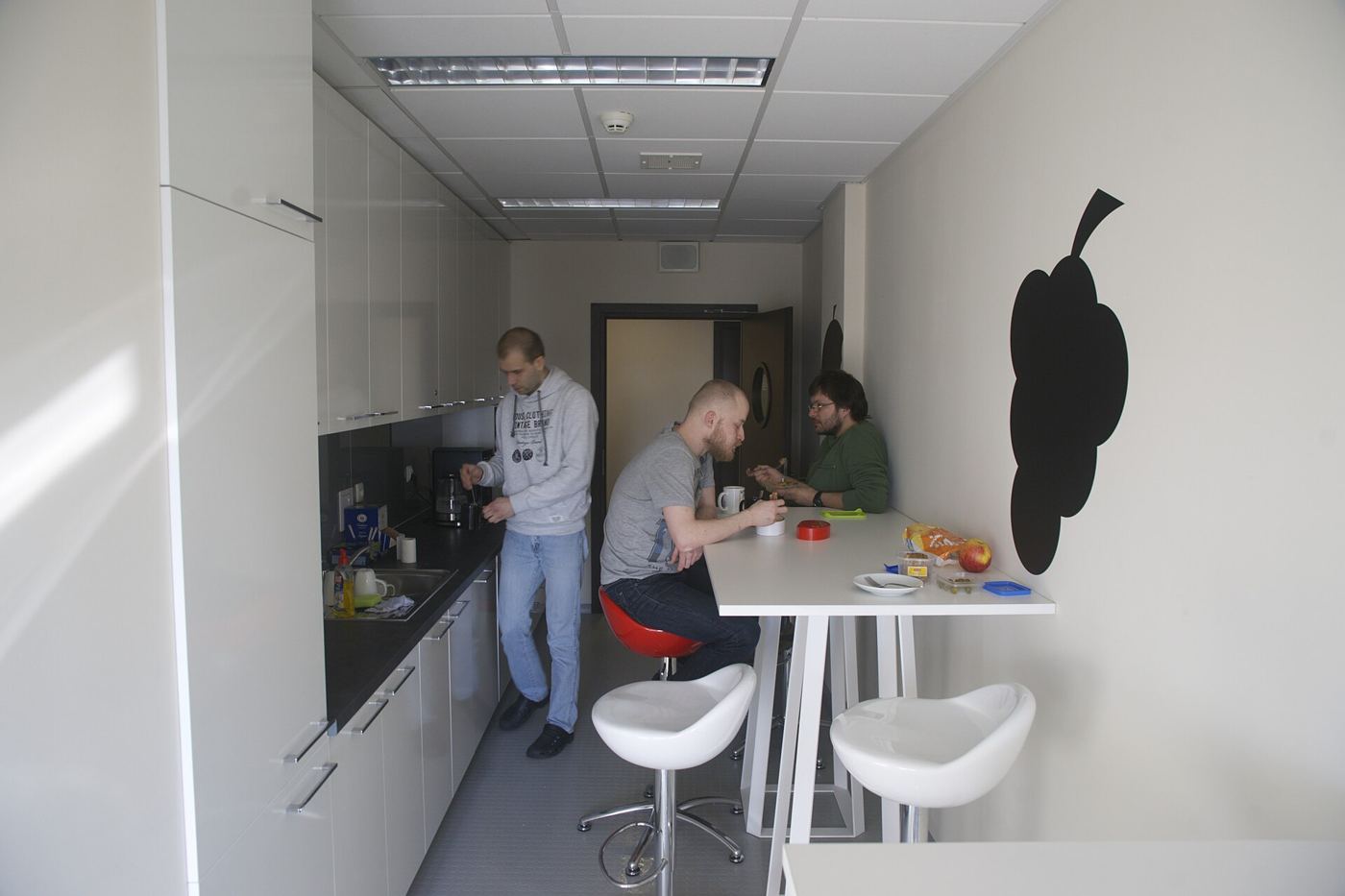
Taking short, regular breaks during the working day helps restore concentration and reduce mental fatigue, according to studies of attention and performance reviewed by psychologists. The research suggests that the brain’s ability to focus declines steadily during long stretches of uninterrupted work, and that even a five-minute pause, stepping away from the screen, stretching or looking out of a window, can bring attention back to near its starting level. Experts explain that breaks work best when they involve a genuine change of activity, rather than simply switching from one screen to another, because the mind needs a rest from the same kind of effort. They also note that workers who take breaks tend to make fewer errors and to feel less drained at the end of the day. Managers are increasingly being encouraged to treat breaks as part of productive work, rather than as time lost from it.
What the Evidence Shows
Psychologists say the ideal pattern is a brief break every hour or so, combined with a longer pause in the middle of the day, and they recommend using the time to move, drink water or talk to a colleague rather than catching up on messages. Studies have found that people who skip breaks often experience a sharp drop in performance in the afternoon, along with irritability and difficulty making decisions. Some workplaces have responded by creating quiet rest areas or by encouraging short walks, and early reports suggest staff appreciate the change and return to their desks more alert. Experts caution that breaks are not a cure for excessive workloads, and that organisations should also look at staffing and deadlines when staff are constantly exhausted. Used well, they say, a short pause is one of the simplest and cheapest ways to protect both focus and wellbeing. Reporting and analysis from sources such as British Psychological Society track the same developments, and specialists following the short restorative work break say the direction is now consistent across independent lines of evidence.
The Wider Context
Practitioners working with the short restorative work break emphasise fit over fashion. A technique that transforms one person’s routine can be useless or worse for another, and assessment, what problem, whose life, what constraints, is what separates professional guidance from the generic advice that floods social feeds. The research increasingly studies that matching process itself.
What Happens Next
For readers, the balanced conclusion on the short restorative work break is that small, well-matched changes beat dramatic overhauls, and that any technique deserves a fair trial of a few weeks before judgement. The studies support patience with the process and scepticism toward promises. That combination, unglamorous as it sounds, is what the evidence actually recommends. You can follow related developments in our coverage of psychology.
It is also worth remembering how quickly the picture in this area has changed before. Positions that looked settled a few years ago have been revised as new data arrived, and the same humility is appropriate now. The strongest coverage of this subject, and the most useful advice, tends to come from sources that update their views openly when the facts move, rather than defending an earlier position long after it has stopped fitting the evidence available.
