


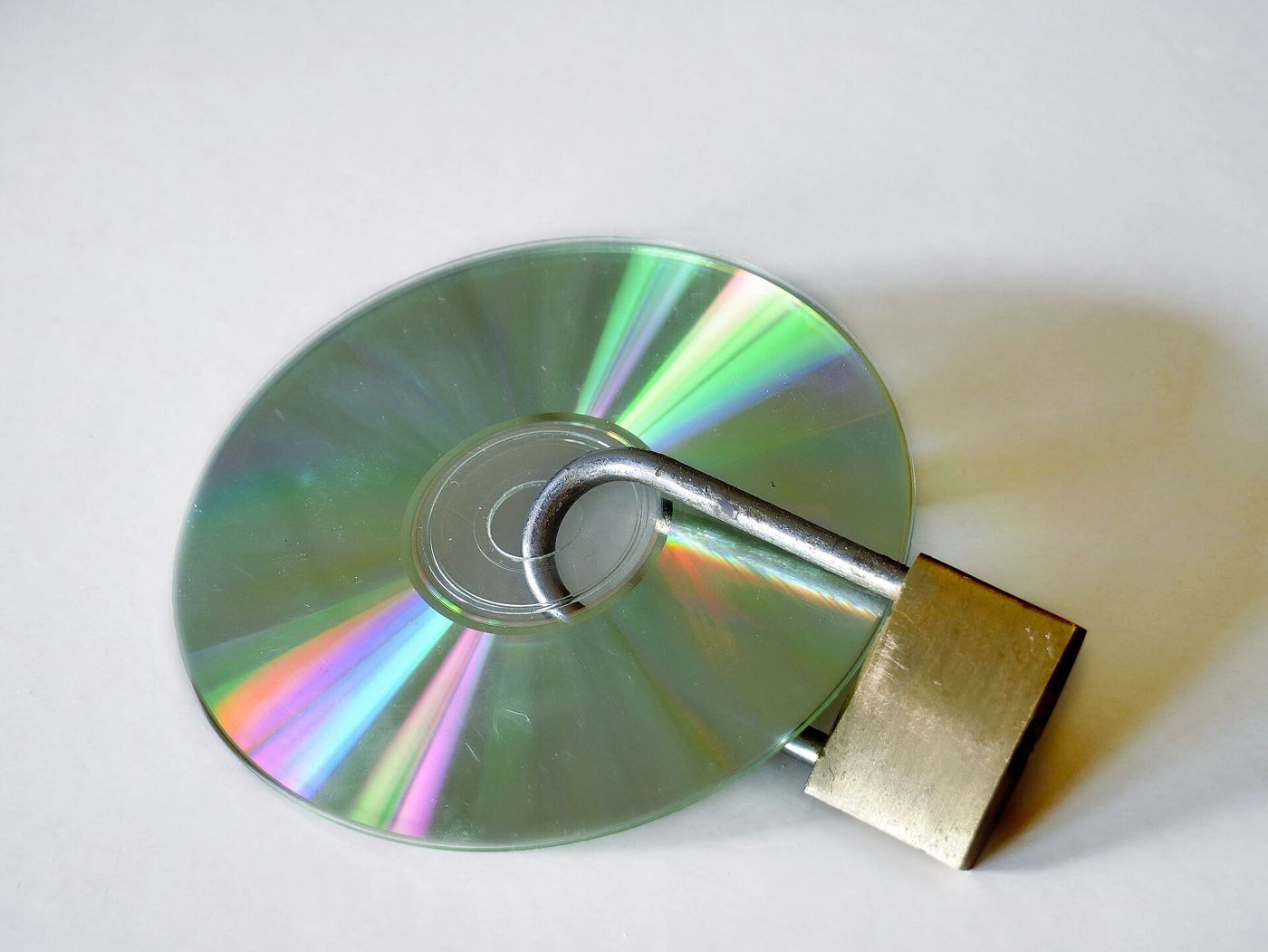
Somewhere in a government archive, encrypted messages are being stored today in the hope that a future computer will be able to read them. The threat is called harvest now, decrypt later: adversaries collect encrypted data now and wait for a quantum computer powerful enough to break the encryption protecting it. That day, known as Q-Day, is still years away, but the world’s standards bodies are not waiting. In August 2024, the US National Institute of Standards and Technology published its first post-quantum cryptography standards, including ML-KEM for encrypting data and ML-DSA for digital signatures, algorithms designed to resist attacks from both classical and quantum computers. The standards followed a competition that began in 2016 and drew submissions from cryptographers around the world. The new standards are meant to protect data for decades, because secrets encrypted today could still matter in thirty years’ time.
What the Evidence Shows
The migration is one of the largest security projects ever attempted, because the encryption being replaced protects everything from bank transactions and medical records to military communications and the software updates on your phone. Governments have set deadlines: the US has told federal agencies to move to post-quantum algorithms, and the European Union has urged critical infrastructure to do the same. The challenge is practical as much as mathematical, since the new algorithms need bigger keys and more computing power, and old devices may never be updated. Security planners still put Q-Day around 2033 to 2035, but the message from cryptographers is simple: the time to change the locks is before the burglar arrives, not after. Banks, hospitals and governments are now auditing their systems to find every place where old encryption is hiding, a task that will take years. Reporting and analysis from sources such as MIT Technology Review track the same developments, and specialists following post-quantum encryption standards say the direction is now consistent across independent lines of evidence.
The Wider Context
The wider context is an industry learning to ship capability and restraint together. Products built around post-quantum encryption standards now launch with safety evaluations, usage data and rollback plans as standard, because enterprise buyers and regulators ask for them in the first meeting. Companies that treated those questions as friction are discovering they have become the purchase criteria.
What Happens Next
What happens next for post-quantum encryption standards depends less on another breakthrough than on the unglamorous work of reliability, pricing and support. The buyers evaluating it now are not enthusiasts; they are operators with budgets and auditors, and their checklists will decide the timeline. On the evidence of the current pilots, the technology has earned the right to be judged by them. You can follow related developments in our coverage of technology.
There is a practical lesson in all of this for readers deciding what to do today. Start with the verified facts, be wary of anyone promising certainty, and prefer reversible steps while the evidence is still developing. Circumstances differ by country, income and personal situation, so general guidance should always be weighed against your own context before you act on it in any significant or lasting way.
