


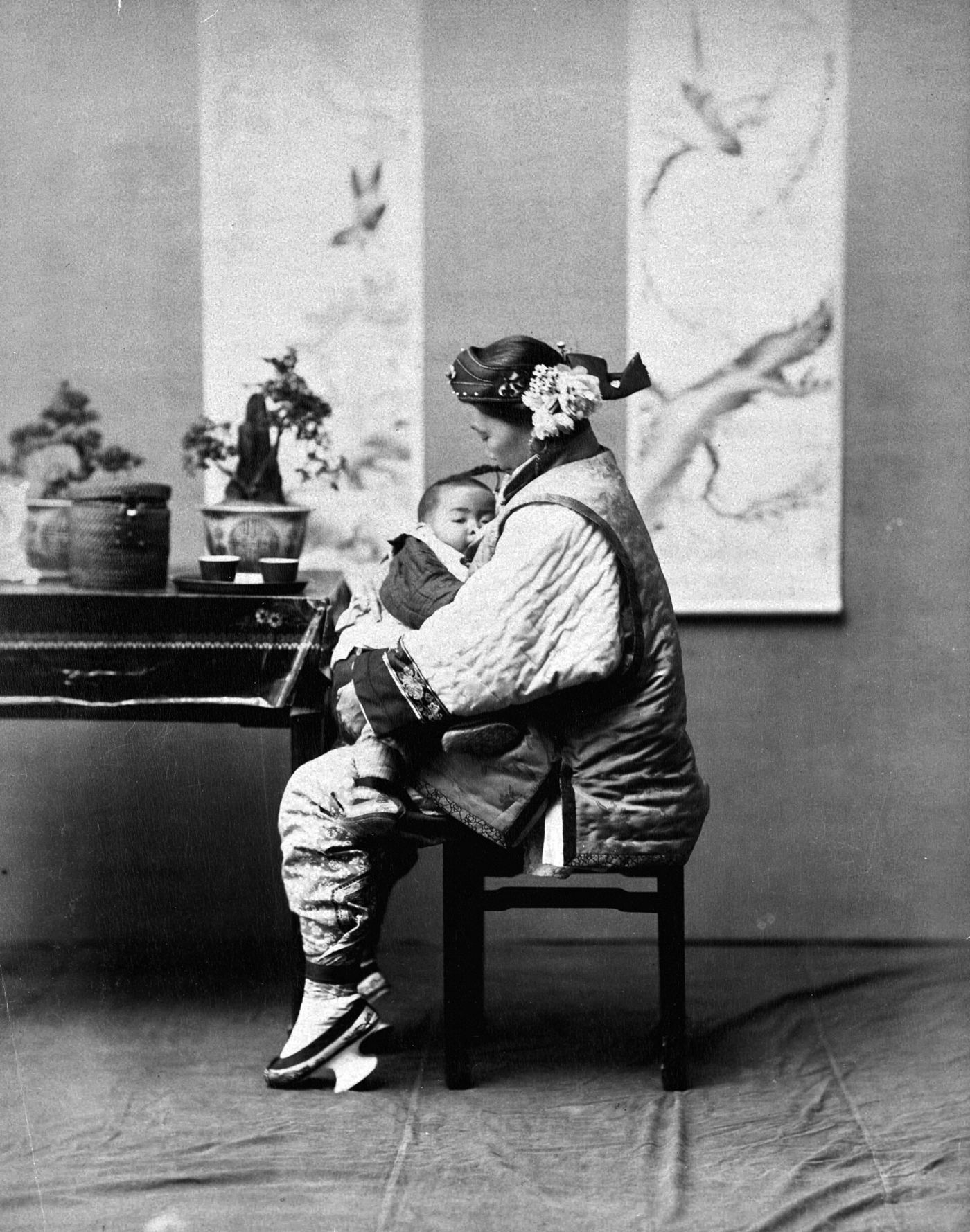
Attachment theory explains why the bond between a baby and its caregiver matters so much, and how it echoes through adult relationships. British psychiatrist John Bowlby proposed in the 1950s that infants are born with a drive to stay close to a caregiver, because closeness kept vulnerable babies safe through human evolution. His colleague Mary Ainsworth tested the idea in the 1970s with the Strange Situation, a short laboratory procedure in which a baby is briefly separated from its mother and then reunited, while observers record how the child reacts. Most infants, about 70 per cent in Ainsworth’s original studies, were securely attached: upset by the separation but comforted on reunion. Others were avoidant, ignoring the mother, or ambivalent, distressed and hard to soothe. Bowlby argued that attachment evolved because infants who stayed near a protective adult were more likely to survive.
What the Evidence Shows
The theory was strengthened by Harry Harlow’s experiments with rhesus monkeys in the late 1950s, which showed that infant monkeys preferred a soft cloth surrogate mother to a wire one that provided milk, proving that comfort matters as much as food. A fourth pattern, disorganised attachment, was added later by Mary Main for children whose behaviour showed fear and confusion. Research has linked early attachment to later friendships, school success and romantic relationships, though the link is not destiny: relationships and experiences in later life can change attachment patterns. The theory’s practical message is clear, and it has shaped childcare, adoption and parenting advice for decades. Modern research also finds that attachment is shaped by the caregiver’s sensitivity, and that secure children tend to explore more confidently and form stronger friendships at school. Reporting and analysis from sources such as British Psychological Society track the same developments, and specialists following attachment theory say the direction is now consistent across independent lines of evidence.
The Wider Context
Practitioners working with attachment theory emphasise fit over fashion. A technique that transforms one person’s routine can be useless or worse for another, and assessment, what problem, whose life, what constraints, is what separates professional guidance from the generic advice that floods social feeds. The research increasingly studies that matching process itself.
What Happens Next
For readers, the balanced conclusion on attachment theory is that small, well-matched changes beat dramatic overhauls, and that any technique deserves a fair trial of a few weeks before judgement. The studies support patience with the process and scepticism toward promises. That combination, unglamorous as it sounds, is what the evidence actually recommends. You can follow related developments in our coverage of psychology.
It is also worth remembering how quickly the picture in this area has changed before. Positions that looked settled a few years ago have been revised as new data arrived, and the same humility is appropriate now. The strongest coverage of this subject, and the most useful advice, tends to come from sources that update their views openly when the facts move, rather than defending an earlier position long after it has stopped fitting the evidence available.
