


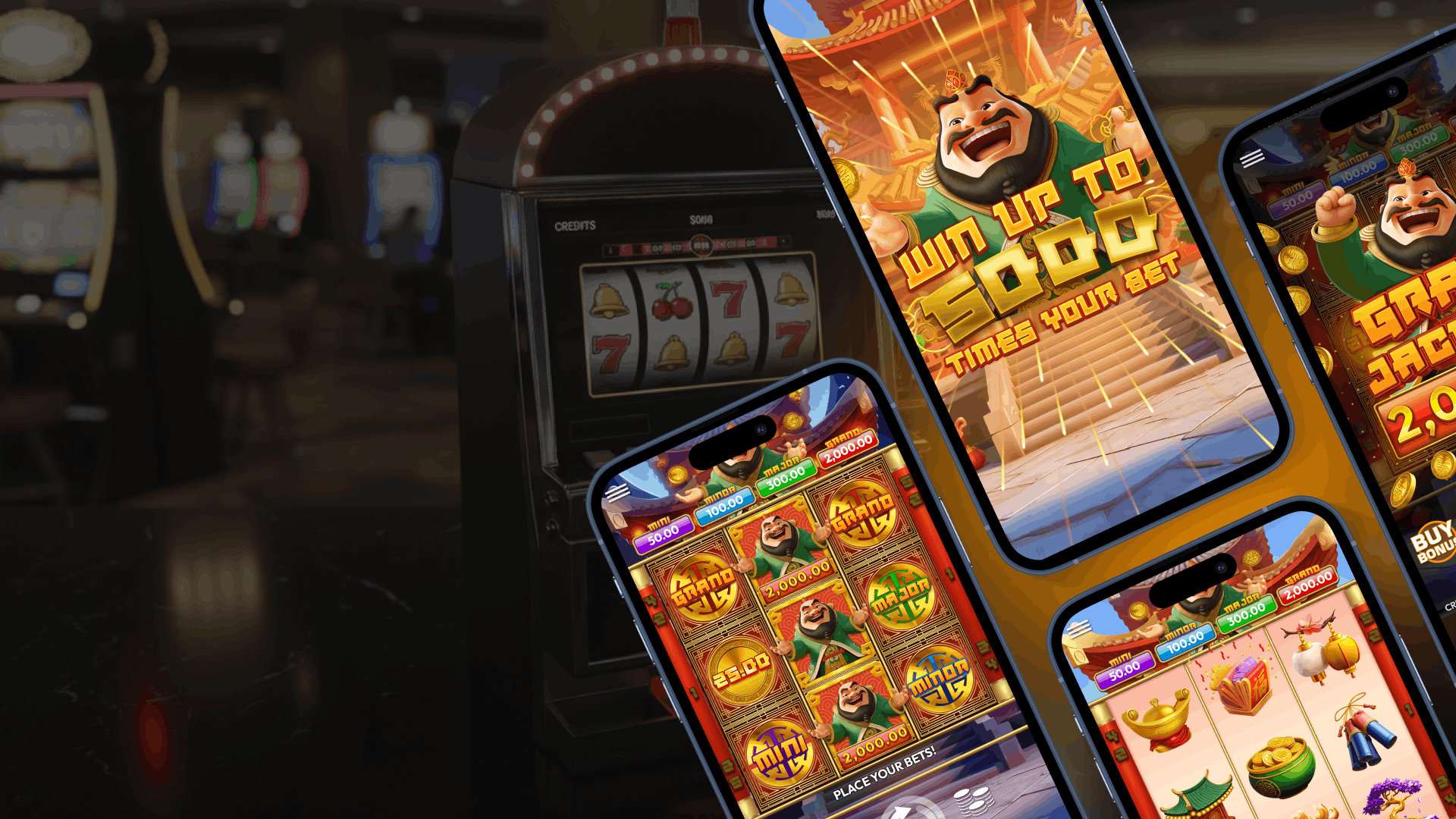
Online slot games have introduced many new mechanics over the years as developers look for ways to create fresh gameplay experiences. One of the most notable innovations is the cluster pay system, which replaces traditional paylines with a different method for forming winning combinations. Instead of requiring symbols to align along fixed lines, cluster-based slots reward players when groups of matching symbols appear next to each other on the grid.
Players browsing modern slot titles on gaming platforms and communities such as Calon4D may notice that some games no longer show the familiar zig-zag paylines across the reels. Instead, these games rely on clusters of identical symbols that connect in adjacent positions. This system allows developers to design more flexible reel layouts and introduce new types of features that would not work with traditional payline mechanics.
Understanding why cluster pay systems exist requires looking at how slot design has evolved and how developers use different mechanics to create variety in gameplay.
The Traditional Payline System in Slot Games
For many years, slot machines relied on paylines to determine winning combinations.
How Paylines Work
A payline is a predetermined pattern that runs across the reels. To win, matching symbols must appear along that exact pattern.
For example, a simple slot might include:
- A straight horizontal line across the center
- Diagonal lines moving across the reels
- Zig-zag patterns connecting different rows
If the correct symbols appear along one of these lines, the game awards a payout according to the paytable.
Players exploring slot games on platforms like Calon4D will still find many modern slots that use paylines as their main win mechanic.
Limitations of Payline Systems
While paylines have been effective for decades, they also introduce certain limitations. Developers must design the reel layout so that symbols align along fixed paths.
This restricts how symbols can interact and limits the types of features that can be added to the game.
To overcome these restrictions, developers began experimenting with alternative reward systems.
The Emergence of Cluster Pay Systems
Cluster pay slots remove paylines entirely and replace them with a system based on groups of matching symbols.
What Is a Cluster Pay System?
In a cluster pay system, players win when a group of identical symbols appears connected to each other on the grid.
These clusters typically form when symbols touch horizontally or vertically.
For example, a slot might require:
- At least 5 matching symbols connected together
- Larger clusters for higher rewards
The exact rules depend on the design of the game.
Players exploring slot libraries on platforms such as Calon4D may encounter cluster slots displayed as square or rectangular grids instead of traditional reels.
Grid-Based Slot Layouts
Cluster pay slots often use grid layouts rather than reels. These grids may include structures such as:
- 5×5 symbol grids
- 6×6 symbol grids
- Larger rectangular boards
Because these grids provide many symbol positions, they allow clusters to form in numerous ways.
This flexibility creates more varied visual patterns compared to fixed paylines.
Encouraging Dynamic Gameplay
One major reason developers use cluster pay systems is that they allow more dynamic gameplay mechanics.
Cascading Symbol Features
Many cluster slots include cascading reels, also known as avalanche mechanics.
When a cluster of symbols forms a win, those symbols disappear from the grid. New symbols then fall into the empty spaces.
This process may create additional clusters and trigger multiple wins from a single spin.
Players browsing slot games on platforms like Calon4D may notice that cascading mechanics are common in cluster-based games because the grid structure supports these chain reactions.
Chain Reactions and Combo Wins
Cluster systems also make it easier to create combo sequences where several clusters form consecutively.
Each cascade can potentially produce new winning groups, increasing the excitement of the spin.
This layered gameplay structure would be difficult to implement using fixed paylines.
Supporting Larger Game Boards
Cluster systems allow developers to design larger playing areas without the complexity of managing hundreds of paylines.
Simplifying Win Calculations
If a game used paylines on a large grid, it might require hundreds or even thousands of line combinations.
This would make the interface confusing for players.
Cluster systems simplify the rules by focusing only on connected symbol groups rather than lines.
Players exploring slot titles on platforms such as Calon4D may find cluster slots easier to understand visually because the winning groups appear directly on the grid.
Visual Clarity
Cluster wins are easy to see because the symbols forming the cluster are usually highlighted or animated together.
This immediate visual feedback helps players recognize how the win occurred.
In contrast, payline wins sometimes require players to follow complicated zig-zag patterns across the screen.
Allowing Creative Feature Design
Cluster systems also give developers more freedom to design innovative gameplay mechanics.
Expanding Symbols
Some cluster slots allow symbols to expand or merge into larger blocks. These expanded symbols can increase the size of clusters and create bigger wins.
This type of mechanic fits naturally within grid-based designs.
Symbol Transformation Features
Cluster slots often include features where symbols transform into other symbols during cascades.
For example, a symbol might change into a wild symbol or upgrade into a higher-value icon.
Players browsing slot libraries on platforms like Calon4D may encounter cluster games where these transformations play a major role in the bonus features.
Enhancing Visual and Thematic Design
Cluster-based games also allow developers to experiment with new visual themes.
Breaking Away From Reel Limitations
Traditional reels restrict the shape of the game layout. Cluster systems remove those restrictions, allowing developers to create unique boards.
Some games use layouts that resemble:
- Puzzle boards
- Gem grids
- Adventure maps
This visual flexibility helps differentiate new slot games from older designs.
Integrating Puzzle-Like Mechanics
Because cluster slots use grids, they sometimes feel similar to puzzle games. Players watch as symbols connect and disappear, creating a more interactive visual experience.
Players exploring slot titles on platforms such as Calon4D may notice that cluster slots often appeal to players who enjoy visually dynamic gameplay.
Supporting Modern Slot Innovation
Cluster pay systems represent one of many innovations that have reshaped the slot industry in recent years.
As online casinos continue to expand their game libraries, developers look for ways to introduce mechanics that feel different from traditional machines.
Cluster-based systems provide a flexible framework for creating new types of gameplay, including cascading reactions, expanding grids, and complex symbol interactions.
Players browsing slot collections on platforms like Calon4D often encounter these modern designs as developers continue experimenting with new formats that push beyond the limitations of traditional payline systems.
