


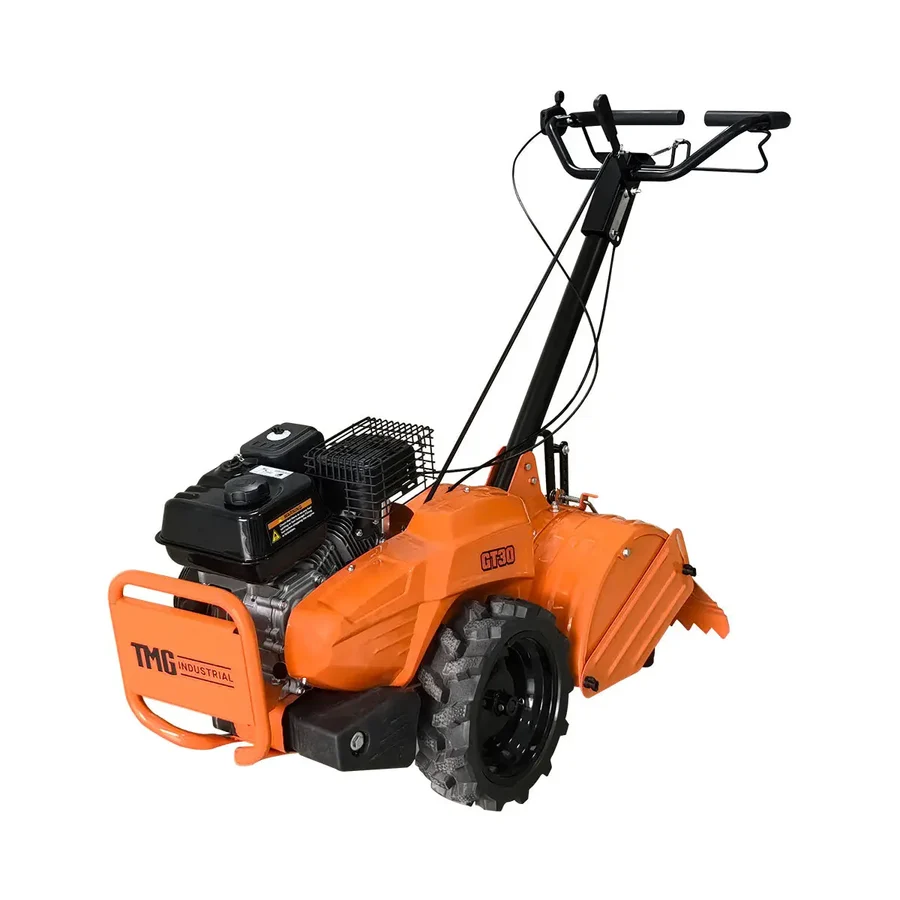
Tilling machines are compared on engine size and working width, and both describe how much ground gets covered rather than what happens to the soil. What the soil experiences is set by which way the tines turn, and a machine that can turn them both ways is doing two different jobs. A self-propelled garden tiller with dual rotation is bought for that choice rather than for the engine.
Forward rotation breaks the surface
On a garden tiller with the tines turning in the same direction as the wheels, the machine wants to run forward and the tines skim through the top few inches. The soil is broken rather than inverted, and the machine covers ground quickly.
That is the setting for a bed that was worked last season and only needs opening up. It is also the gentler setting for anything with existing structure worth keeping, because it disturbs less of the profile than the alternative.
Counter rotation digs in
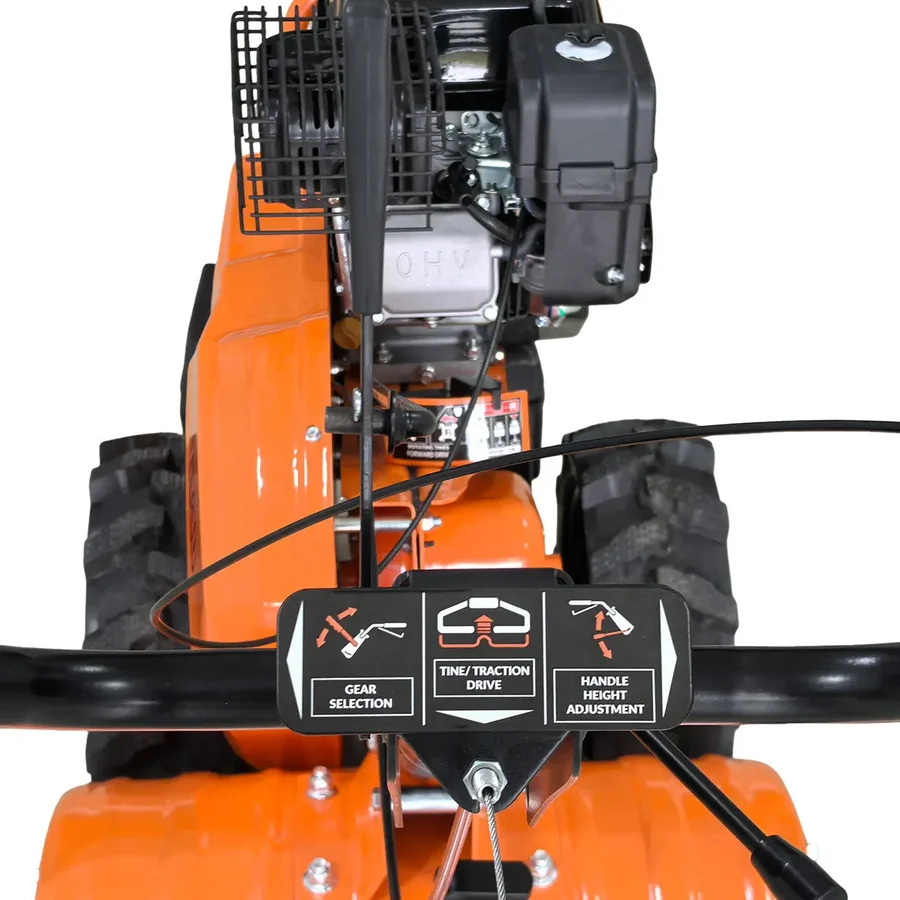
Turning the tines against the direction of travel makes them want to climb, and the machine has to be held back rather than pushed. That resistance is what drives the tines downward into ground they would otherwise skate across.
This is the setting for breaking new ground, for compacted soil and for the first pass on clay. It is slower, it is harder work, and it is the only way a walk behind machine reaches anything like its rated depth.
Self propelled means the wheels set the pace
On a machine without driven wheels, forward movement comes from the tines pulling the machine along, which means depth and speed are linked. Slow down to dig deeper and the machine stops moving. Driven wheels break that link. The operator sets the ground speed with the drive and the tines work at whatever depth is selected, which is the whole reason a self propelled machine behaves predictably on a slope or in heavy soil.
Depth is limited by what the tines can push against
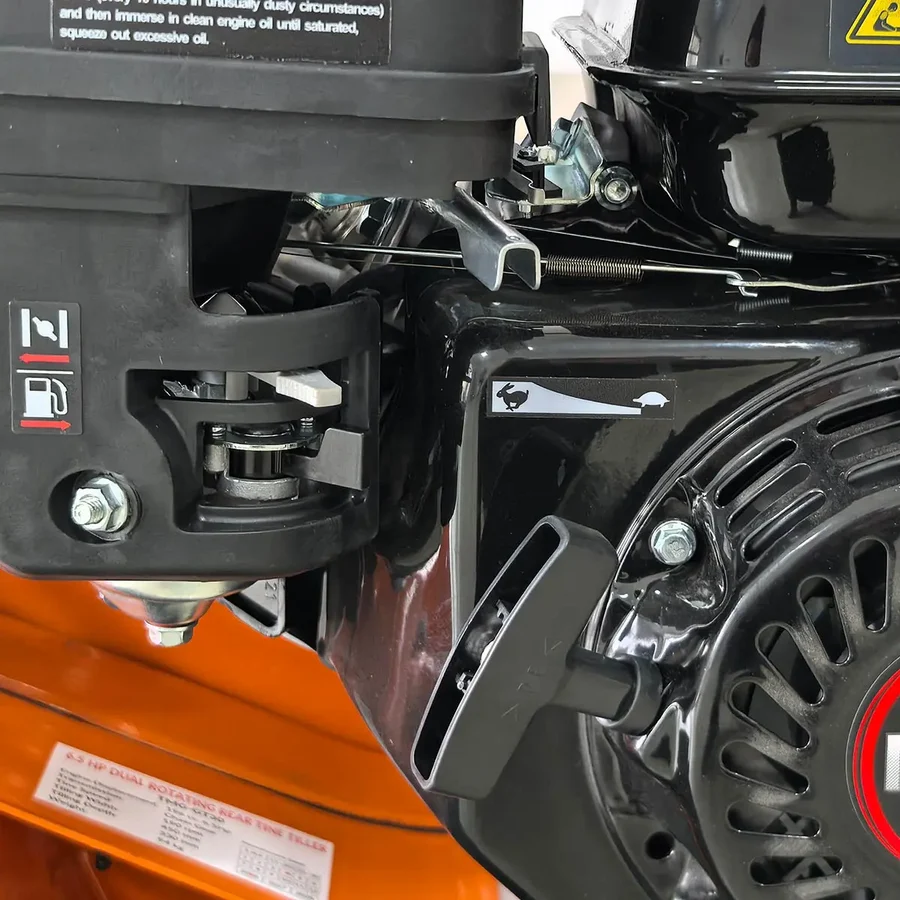
A rated depth of around six and a half inches assumes the tines have something to work against, which is true in a vegetable garden bed that has been walked on and false in freshly turned ground. On loose ground they simply throw material and sit at the surface, which is why a second pass usually goes deeper than the first.
Three habits deal with most of it:
- Work in passes rather than chasing depth
- Let the drag bar carry the resistance
- Slow the ground speed before forcing depth
The drag bar is the one people remove, usually because it catches on something during the first pass. It is the component that stops the machine running away in counter rotation, and without it the tines never load up enough to dig to depth.
Where a tiller stops being the right tool
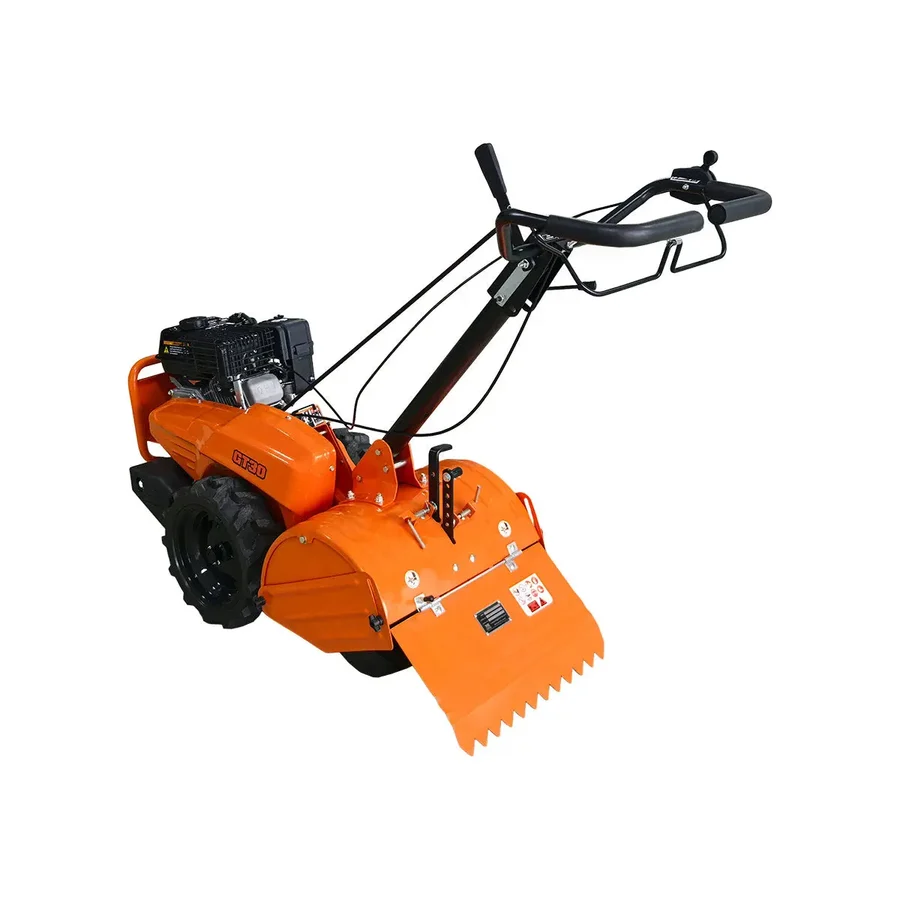
A cultivator stirs the top few centimetres and suits weeding between rows. A tiller of this size prepares ground from scratch, and using it for light work wastes fuel and destroys soil structure that took a season to build.
A dual rotation garden tiller suits market gardens and large domestic beds, and this one pairs that with a 196cc engine on a 457 millimetre width. Choosing the rotation to match the ground, rather than running one setting all year, is what makes it worth having over a simpler machine, and TMG Industrial publishes the depth figures needed to compare it.
