


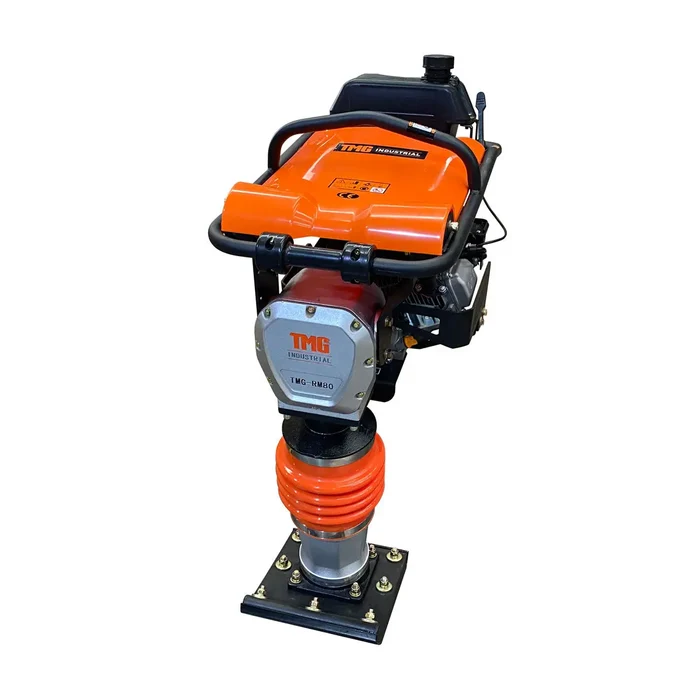
Compaction in a trench is usually planned as a machine choice and a lift thickness. Both matter, and neither is the thing that goes wrong. What goes wrong is everything around the machine: how it gets down there, what the walls are doing while somebody stands beside it, and whether the trench is wide enough for the foot to reach the sides. A 2250 lb jumping jack tamping rammer is the easy part of that planning.
The wall is the hazard, not the fill
A trench compactor works at the bottom of a hazard, and an unsupported wall does not give warning. Soil that stood vertically all morning fails in seconds, and a collapse of even a few feet of depth carries enough weight to prevent somebody from breathing, let alone climbing out.
Vibration from compaction is one of the things that triggers it, which is why trench shoring is specified alongside the machine rather than after it. A rammer working at the bottom of a trench is actively loading the walls, which is why shoring or sloping is a requirement rather than a precaution on anything deep enough to stand in.
Getting the machine in and out
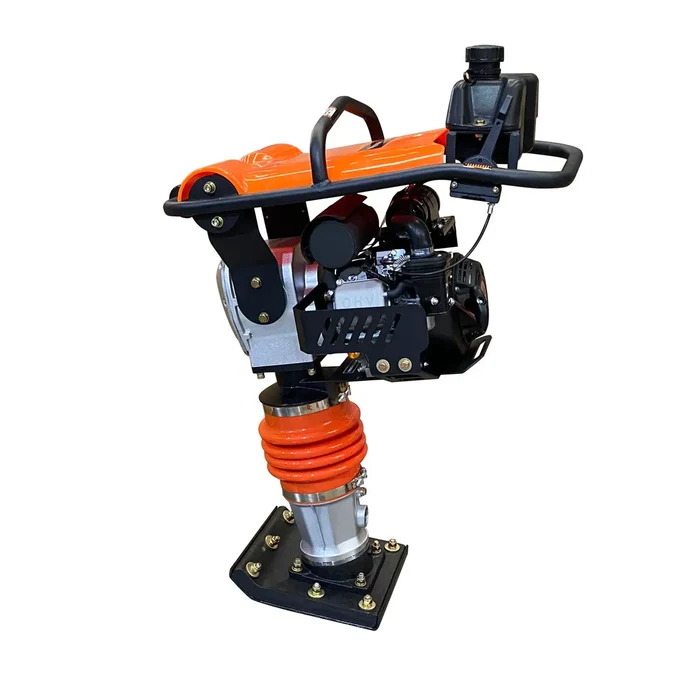
A trench compactor of this weight cannot be handed down. Lowering it by rope damages the handle and puts somebody under a suspended load, and lifting it out afterward is when most back injuries on this work happen.
Three habits deal with the handling:
- Lower and lift with the excavator, not by hand
- Keep the rammer upright in the sling
- Shut it down before lifting
The last one sounds obvious and gets skipped on short lifts, because restarting a warm engine is a nuisance. A running rammer on a sling swings, and the only thing stopping it is whoever reached out to steady it.
Trench width against foot width
A rammer foot is about a foot square. In a narrow trench the foot cannot reach the last few inches against each wall, and that strip is exactly where a pipe haunch needs support most.
Lifts and why they get rushed

A trench compactor only densifies the depth its impulse reaches, so fill has to arrive in layers. The temptation on a deep trench is to drop in more and compact harder, which produces a compacted cap over loose material.
That failure appears later as a settled line across a driveway or a road patch. Nothing shows it at the time, which is why lift discipline has to be a rule rather than a judgment made at the bottom of a hole.
Choosing against the trench rather than the catalog
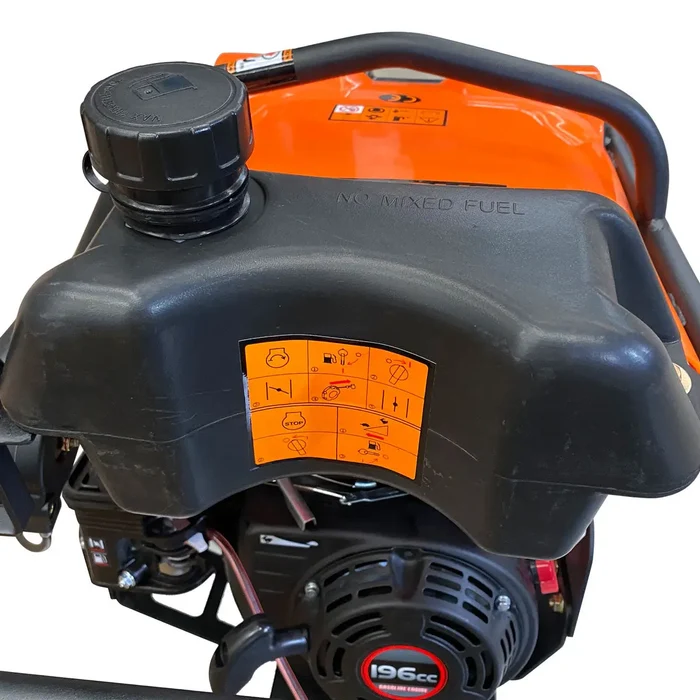
Impact force and engine power are what compaction equipment is compared on, and neither says anything about working in a hole. Foot width, machine height under a trench box, and whether it can be slung safely describe whether it can work in the trench that was actually dug.
TMG Industrial builds this tamping rammer at 2250 pounds of impact on a 6.5 horsepower engine. Measuring the trench and planning the lift and the handling before the machine is ordered is what keeps the compaction honest and everybody out of the hole. Specifying it alongside proper shoring is part of the same decision, and TMG Industrial lists the machine dimensions needed to check it.
