


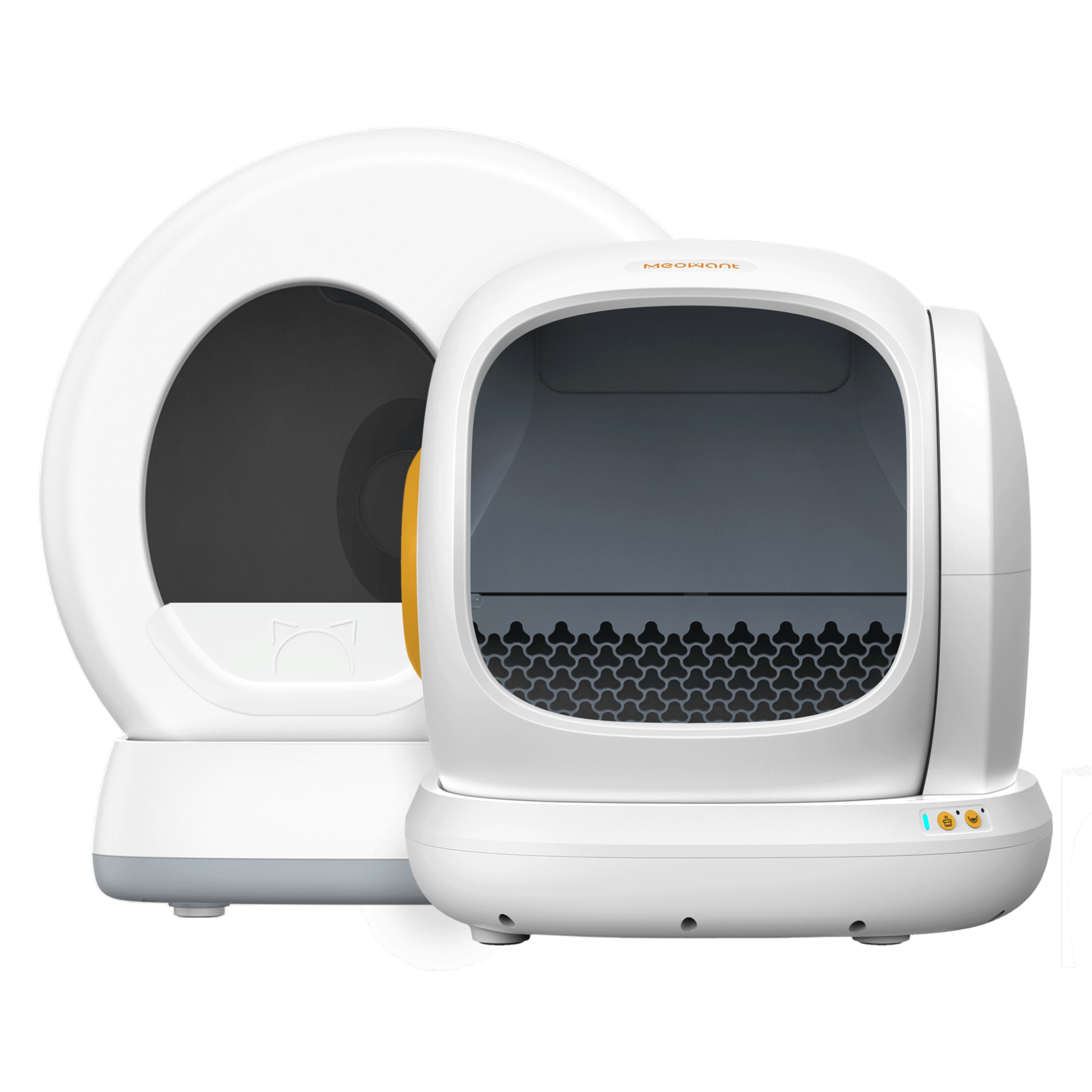
The daily litter ritual is one of those chores that never feels finished. You scoop before work, come home to a fresh deposit in the afternoon, and repeat before bed. For anyone juggling a job, a commute, and a household, those few minutes add up faster than expected, and the smell has a way of announcing itself to guests before you do. A self cleaning litter box changes that rhythm. Instead of you tracking every visit, the unit detects when your cat has finished, sifts the waste into a sealed compartment, and resets itself for the next round. The result is a litter area that stays presentable without constant supervision, less odor circulating through the room, and a cat that always finds a clean surface. This guide explains what these units genuinely do for a busy household, where the real benefits show up, and what to expect once one is running in your hallway or laundry room.
The Hidden Cost of Scooping by Hand
Manual scooping looks trivial until you count the interruptions. Most cat owners check the box two or three times a day, and each visit means finding a scoop, separating clumps, bagging waste, and washing up afterward. The task itself takes only a few minutes, but the mental overhead is larger. You are always aware of when the box was last cleaned and whether it needs attention before you leave the house. Over the course of a week, that adds up to a surprising amount of attention spent on a job that produces nothing you can see or use.
There is also a cleanliness ceiling to manual care. Even diligent owners leave residue behind, and odor settles into the plastic long before the surface looks dirty. Cats notice these things. A box that smells strongly or feels damp underfoot can push a fastidious cat to urinate somewhere else, turning a small chore into a carpet-cleaning problem. Guests notice as well, particularly in apartments where the litter area sits close to the living room. Automation does not make hygiene effortless, but it removes the daily lag between a dirty box and a clean one.
How a Self Cleaning Litter Box Works in Practice
A self cleaning litter box replaces the scoop with a cycle. Weight or motion sensors detect when your cat has left, wait a short delay, and then rake or rotate the litter so that clumps fall into a sealed waste drawer. The unit resets to a level bed of litter and waits for the next visit. Because waste is enclosed rather than resting on the surface, odor has much less opportunity to spread through the room, and the litter stays loose enough for digging instead of compacting under repeated use.
The best units are designed around safety rather than novelty. Sensors pause the cycle the moment a cat re-enters, and the mechanism avoids pinching points where a paw or tail could be caught. Some models add weight tracking that records how often each cat visits, which is useful information for anyone monitoring a senior cat or one with a history of urinary issues. Brands such as Meowant combine this detection layer with a sealed drawer, so the mechanical work happens out of sight and out of reach of curious noses and paws.
From Detection to Disposal
Understanding the sequence helps you judge a unit before buying it. The cycle begins with presence detection, continues with a timed delay that gives the cat room to walk away, and ends with a disposal phase that deposits clumps in the drawer. The drawer itself should close tightly enough to trap odor while remaining simple to remove. A good cycle is boring to watch: quiet, predictable, and finished in well under a minute. If a unit’s mechanics draw attention to themselves, the design is usually working against the cat rather than for it.
Safety Details That Matter
Look for a box that stops immediately when weight is detected inside the drum or tray, not one that finishes its cycle first. Entry sensors and low-profile edges matter for kittens and older cats that cannot jump. It also helps to check how the unit behaves during a power outage: the litter should remain usable and the drawer should stay latched. None of these details appear in marketing photos, but they determine whether the machine feels trustworthy in a home with curious animals and children.
A Cleaner Box Means a Healthier, Happier Cat
Cats are particular about substrate. They prefer litter that is dry, deep enough to dig in, and free of strong odors, and they will often tolerate a smaller box before they tolerate a dirty one. When a box is cleaned automatically after every use, those preferences are met without anyone needing to remember. The practical effect is fewer accidents outside the box and less stress for cats that share a home with dogs, children, or other cats. A clean surface also encourages normal litter habits, which makes it easier to notice when something is wrong.
There is a quiet health benefit as well. Owners who empty a sealed drawer every few days see the waste in a concentrated form, which makes changes easier to spot. A sudden increase in clump size, a shift in color, or a drop in the amount of urine can be an early signal worth a vet visit. Manual scooping offers the same information, of course, but it is easy to overlook when the task is rushed between other chores. Automation turns that review into a quick, predictable habit rather than an afterthought.
What Daily Life Actually Looks Like
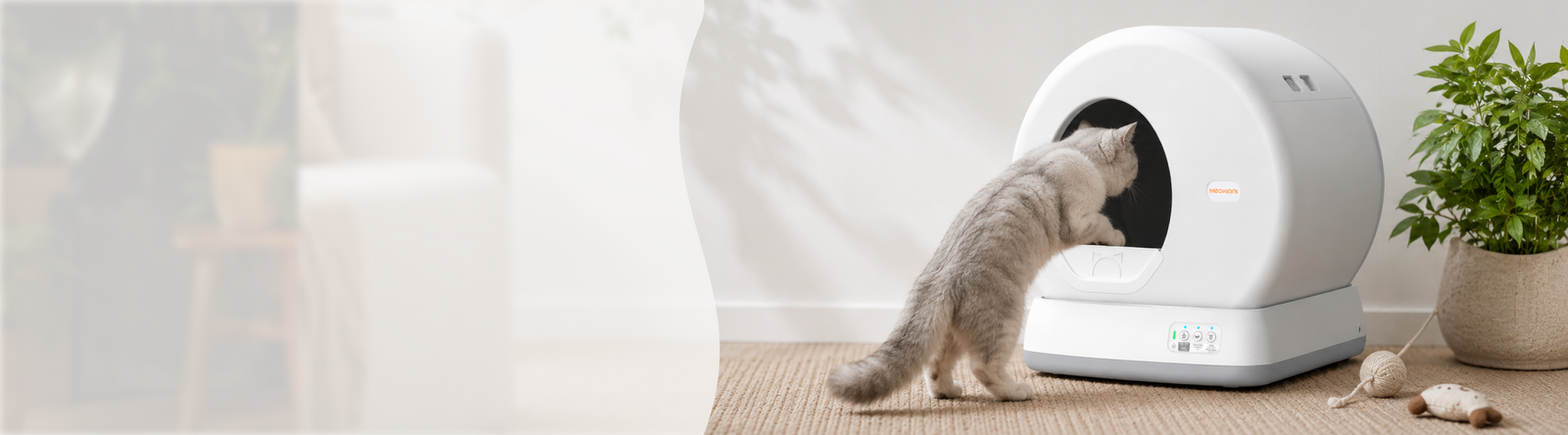
In practice, the biggest adjustment is learning to trust the machine. The first week tends to involve a lot of checking: watching the cycle, inspecting the drawer, and confirming that your cat is comfortable. After that, the box fades into the background. Most owners empty the drawer every few days, top up the litter once a week, and deep clean the interior monthly. The time saved is not dramatic on any single day, but it removes a recurring source of friction from the household routine, and that is the part busy owners notice most.
Noise, Placement, and Power
Choose a location with a power outlet and enough clearance for the lid to open or the drum to rotate. A hallway corner or laundry room usually works better than a closet, since airflow helps with odor and the cat needs an easy escape route. Noise levels vary, but a well-built unit runs at a low hum rather than a grind. If your bedroom shares a wall with the litter area, listen to a unit in person or check reviews that mention nighttime operation before committing to a purchase.
Maintenance You Still Have to Do
Automation handles scooping, not everything else. The drawer needs emptying, the litter needs topping up, and the interior benefits from a wipe-down with a mild cleaner. Sensors should be kept free of dust and stray litter, and the manufacturer’s replacement schedule for filters or liners is worth following. These tasks take minutes, but skipping them is the fastest way to make an automated box smell worse than a manual one. A simple weekly routine is enough to keep the machine performing the way it did on the first day.
A Small Upgrade With a Noticeable Payoff
Automation is not about avoiding responsibility; it is about removing the part of pet care that is purely mechanical. Feeding, play, vet visits, and attention remain yours. What this kind of box takes off the list is the constant monitoring and the smell that comes with a litter area always a few hours past its best. For a busy household, that trade is usually worth it, provided the unit is sized correctly, placed well, and maintained on a simple schedule. The cats, for their part, rarely care about the technology. They care that the litter is clean, dry, and available, and an automated box delivers that more consistently than most people can manage by hand.
