


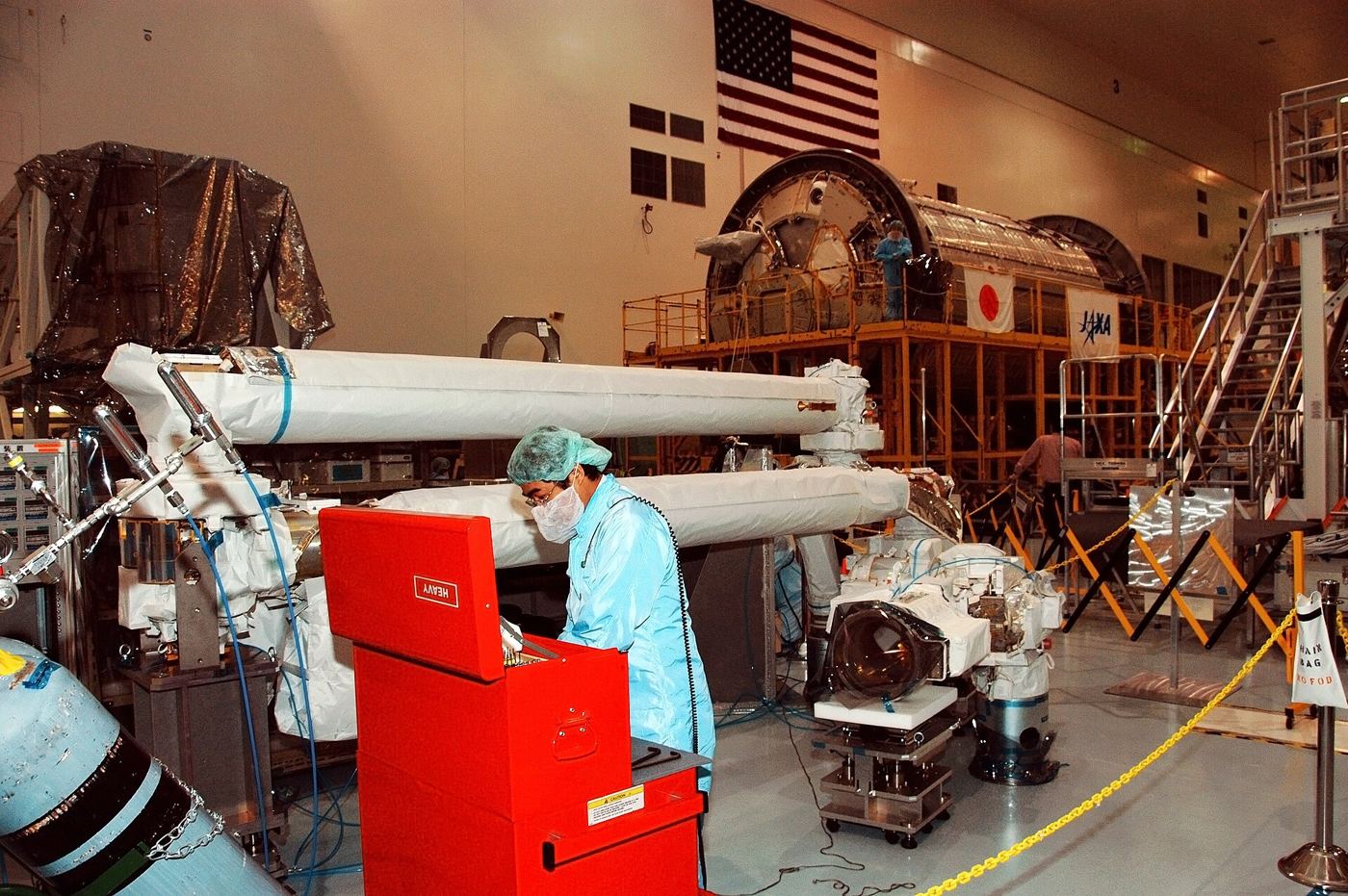
Anthropic introduced Claude for Manufacturing on 12 November, a version of its AI assistant tailored to the needs of factories and industrial companies. The plugin ships with 17 task-specific skills and connectors for widely used tools including Autodesk Fusion, Infor, Microsoft 365 and Oracle NetSuite. It is designed to help engineers, planners and maintenance teams with the paperwork-heavy work of modern manufacturing: reading specifications, drafting reports, checking inventory, scheduling maintenance and tracing problems through supply chains. The launch shows how AI assistants are moving from office chatbots into the specialised software that runs the physical economy. The skills cover routine but time-consuming tasks, such as summarising engineering documents, preparing maintenance schedules and checking parts lists against supplier catalogues, freeing engineers to focus on design and problem-solving instead of paperwork.
What the Evidence Shows
Manufacturing is a demanding test for AI, because mistakes on a factory floor cost real money and can endanger workers. An assistant that misreads a tolerance or confuses two parts could cause a costly error, so human review remains essential. Data security matters too: factory designs and production data are closely guarded, and companies will want reassurance that their information stays private. If those concerns are managed, the prize is large, because manufacturers sit on decades of documents, manuals and sensor data that AI could finally make searchable and useful. Early users report that the biggest gains come from connecting the assistant to the systems factories already use, so answers draw on live inventory and production data rather than generic knowledge. Reporting and analysis from sources such as MIT Technology Review track the same developments, and specialists following the AI assistants arriving on factory floors say the direction is now consistent across independent lines of evidence.
The Wider Context
The wider context is an industry learning to ship capability and restraint together. Products built around the AI assistants arriving on factory floors now launch with safety evaluations, usage data and rollback plans as standard, because enterprise buyers and regulators ask for them in the first meeting. Companies that treated those questions as friction are discovering they have become the purchase criteria.
What Happens Next
What happens next for the AI assistants arriving on factory floors depends less on another breakthrough than on the unglamorous work of reliability, pricing and support. The buyers evaluating it now are not enthusiasts; they are operators with budgets and auditors, and their checklists will decide the timeline. On the evidence of the current pilots, the technology has earned the right to be judged by them. You can follow related developments in our coverage of technology.
There is a practical lesson in all of this for readers deciding what to do today. Start with the verified facts, be wary of anyone promising certainty, and prefer reversible steps while the evidence is still developing. Circumstances differ by country, income and personal situation, so general guidance should always be weighed against your own context before you act on it in any significant or lasting way.
