


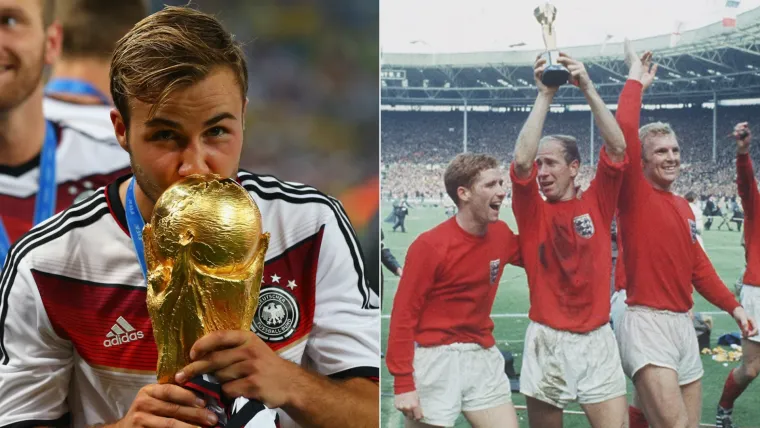
When a World Cup final goes to extra time, it stops being just another match and becomes a 30‑minute test of structure, substitutions, and decision-making under extreme fatigue. Spain’s 1–0 win over the Netherlands in 2010 and Germany’s 1–0 victory against Argentina in 2014 are the clearest recent examples: both trophies were settled by a single goal after 90 minutes, with Andrés Iniesta and Mario Götze finding decisive finishes in games that had been tactically tight and physically draining.
Why Extra Time in a Final Is a Different Game
Extra time in a final does not simply extend the existing pattern; it compresses risk and magnifies every small adjustment. By the 90‑minute mark, coaches have usually exhausted many key substitutions, players carry fatigue and minor knocks, and both sides understand that one mistake or moment of quality will define a four‑year cycle. In 2010 and 2014, you could see this in how Spain and Germany balanced caution with selective aggression: maintaining defensive organisation while still committing enough bodies forward to create one clear chance.
For viewers, this means that in extra time the focus should shift from broad patterns to very specific questions: who is still fresh enough to sprint, who can still make a clean decision in the box, and where the last remaining overloads can appear in a stretched field.
Spain vs Netherlands 2010: How Iniesta Found Space in a Game of Fouls and Fatigue
The 2010 final between Spain and the Netherlands in Johannesburg was a scrappy, attritional contest long before it reached extra time. Spain tried to impose their possession game, with Xavi, Xabi Alonso, and Sergio Busquets circulating the ball, while the Netherlands disrupted with aggressive tackling and a compact, often physical midfield line that produced a record number of fouls for a World Cup final. As the match wore on, Spain’s passing angles narrowed, but their territorial dominance gradually pushed the Dutch deeper and deeper, turning each clearance into a temporary relief rather than a platform for sustained attacks.
By extra time, the Netherlands’ pressing intensity had dropped, and spaces that were closed earlier in the night began to open between their back line and midfield. When Cesc Fàbregas, introduced from the bench, broke through the middle in the 116th minute and slid a pass to Iniesta inside the box, it was the product of that erosion: Spain’s insistence on moving the ball into tight pockets finally met a tired defensive line that could no longer shift as a unit. Iniesta’s finish across Maarten Stekelenburg was clean, but the real story for live viewers was how the type of chance—midfield break into a half‑space, pull‑back or slide pass, first‑time strike—only became available once Dutch lines lost their previous synchronisation.
Germany vs Argentina 2014: Substitutes, Width, and Götze’s Extra-Time Timing
Four years later at the Maracanã, Germany–Argentina produced a very different final that still required extra time and a single goal to decide it. Germany had more of the ball and more shots on target, but Argentina created several of the game’s clearest chances in normal time through Gonzalo Higuaín, Lionel Messi, and Rodrigo Palacio, only for their finishing and final decisions to fall short. Germany, forced to reshuffle after losing Sami Khedira in the warm‑up and Christoph Kramer to a head injury, leaned heavily on their collective structure and wide combinations rather than any single individual.
In extra time, the pattern shifted subtly toward width and fresh legs. André Schürrle, introduced from the bench, repeatedly attacked down the left against a tiring Argentine defence, culminating in the 113th‑minute sequence where he drove infield and clipped a cross toward Mario Götze. Götze, another substitute, controlled the ball on his chest and swept a left‑footed volley past Sergio Romero, demonstrating technique and composure that stood in contrast to the increasingly rushed actions of many players around him. For viewers, that move underlined how late‑game substitutions are not just about “fresh legs,” but about introducing profiles—like Schürrle’s direct running and Götze’s timing—that can exploit the specific spaces a final has opened up by the 110th minute.
What To Watch for When a Final Enters Extra Time ดูบอลสด
When you ดูบอลสด a final that is drifting towards extra time, there are a few specific cues that can help you understand how likely it is to be decided before penalties and what kind of goal might do it. You are no longer just reading formations on a tactics board; you are reading bodies, substitutions, and where coaches are willing to accept risk.
First, look at where teams still press and where they simply screen. A side that continues to bid for high regains—like Germany pushing Schürrle to carry the ball directly at defenders—signals they still trust their structure enough to commit players forward, increasing the chance of a decisive chance before penalties. Second, track which players are still able to sprint into the box from midfield or wide positions; Iniesta’s run into the area in 2010 and Götze’s dart across the defensive line in 2014 came after long spells where most others were merely jogging into shooting zones. Finally, notice how often full‑backs continue to overlap: when they stop, crosses tend to come from deeper, less dangerous positions; when they still go, as with Germany’s wide patterns, the extra runner often creates the overload that decides the trophy.
Key Extra-Time Finals at a Glance
| Final & Result | Extra-Time Decisive Action | Tactical Context You Could See Live | Main Lesson for Reading Future Finals |
| 1966: England 4–2 West Germany (AET) | Geoff Hurst’s two extra-time goals, including late break | Stretched game, tired German defence, England exploiting space on counters | Extra time can turn into end‑to‑end transitions if one side keeps pushing |
| 2010: Netherlands 0–1 Spain (AET) | Iniesta’s 116th‑minute finish from Fàbregas pass | Dutch block tired and deeper; Spain still committing midfield runners into half‑spaces | Persistent positional play eventually opens a single high‑value pocket |
| 2014: Germany 1–0 Argentina (AET) | Götze’s 113th‑minute chest and volley from Schürrle cross | Germany using fresh wide runners; Argentina’s back line finally loses tight spacing | Substitutes with complementary profiles can reshape extra‑time threat |
This kind of table lets you see common threads: fatigue stretches lines, late runners matter more, and the team that still dares to commit one extra body into the box often decides the trophy.
A Simple Live-Match Sequence for Reading Extra Time in Finals
Because extra time develops quickly, it helps to have a compact mental sequence you can run through as the 90‑minute mark approaches. Instead of just hoping for “a moment of magic,” you can watch for specific signs that a goal is more or less likely before penalties.
- Check substitution patterns: Note which team still has impact players to bring on around 90 minutes, and whether those changes add speed, height, or control.
- Scan pressing lines: See which team is still stepping out with forwards and midfielders together; a side pressing in disconnected fashion is more likely to get exposed.
- Track full‑back behaviour: Are they still overlapping or now holding their positions; overlapping late usually signals belief in finding a winner.
- Watch central fatigue: Look for midfielders who no longer track runners into the box; these gaps are where Iniesta‑style or Götze‑style goals emerge.
- Reassess shot locations: Compare where shots are coming from now versus early in the match; more efforts from prime central zones suggest one side is close to breaking through.
Applied to 2010 and 2014, this sequence would have highlighted Spain’s continued willingness to push midfielders beyond the ball and Germany’s late injection of wide running and box presence. In both cases, the eventual goals looked like “magic,” but they grew logically from patterns that had been building for 110 minutes.
Summary
World Cup finals decided in extra time—like England 1966, Spain 2010, and Germany 2014—show that those final 30 minutes form a distinct tactical phase where fatigue, substitutions, and risk tolerance shape single title‑deciding moments. Iniesta and Götze did not just appear from nowhere; their goals emerged from structures that kept creating small advantages even as legs tired and space stretched. For anyone watching future finals, focusing on who still presses, who still runs beyond the ดูบอลวันนี้ changy, and which substitutes change the geometry of attacks offers a much clearer way to read extra time than simply waiting for a penalty shoot‑out.
