


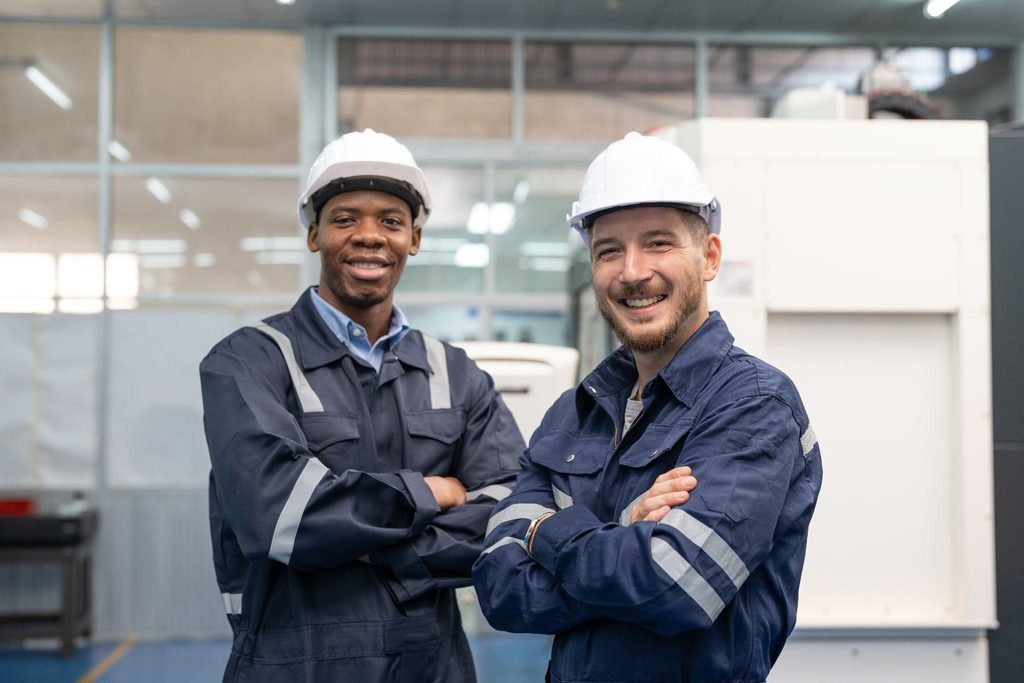
When equipment breaks down in a workplace of any kind, it can lead to costly downtime.
That’s where maintenance technicians come in. Maintenance technicians are responsible for keeping a building, its equipment, and its mechanical systems in working order. They carry out inspections, identify problems, and make repairs. As workplaces increasingly incorporate automated and computerized systems, skilled maintenance technicians are expected to be in demand.
What Does a Maintenance Technician Do?
ONET OnLine describes maintenance technicians as professionals who maintain and repair machinery, equipment, buildings, and other systems. Their responsibilities can vary depending on the workplace and employer, but may include performing routine maintenance, troubleshooting equipment, repairing mechanical systems, and keeping facilities and machinery in working order.
Some are generalists who handle many types of assignments, such as a technician at an apartment complex. Others have expertise in specific areas, such as technicians with industrial mechanic jobs.
Why Are Maintenance Technicians in High Demand?
The Bureau of Labor Statistics projects about 54,200 openings for industrial machinery mechanics, machinery maintenance workers, and millwrights each year, on average, from 2024 through 2034.
Overall employement for industrial machinery mechanics, machinery maintenance workers, and millwrights is projected to grow 13% in the decade ending in 2034, much faster than the 3% projected average for all occupations.
Increased automation in the workplace is actually increasing demand for human maintenance technicians. Robotic equipment, sensors, programmable controls, and interconnected production systems all require installation, calibration, troubleshooting, and repair.
https://www.shutterstock.com/g/kornfoto
Maintenance Technicians Prevent Costly Downtime
Waiting until there’s a problem with equipment to give it attention tends to be more expensive than maintaining it along the way. An unexpected breakdown can halt production, delay customers’ orders, lead to overtime costs, and require emergency service from specialized service companies. It can also damage goods and cause safety issues.
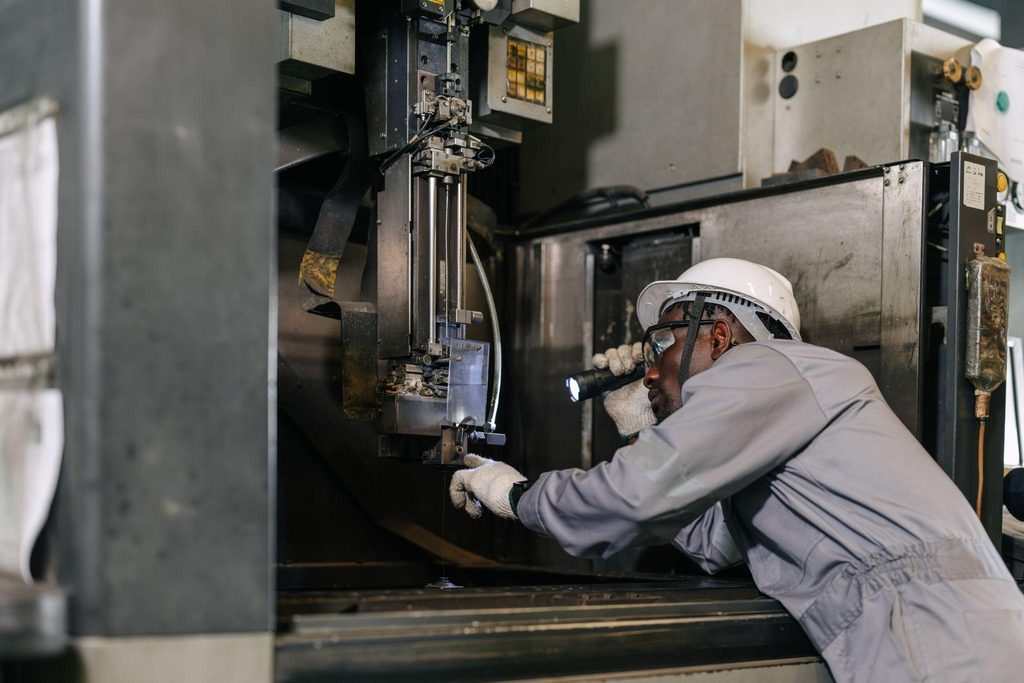
Maintenance technicians reduce the chances of those things happening through preventive maintenance. They inspect items according to a schedule, lubricate moving parts, change filters, tighten connections and replace components showing signs of wear.
Some workplaces use sensors and diagnostic tools to track conditions such as temperature, vibration and pressure. In those cases, technicians know how to interpret that information and schedule service when the data suggests that it’s needed. Not every failure can be predicted, but a strong maintenance program will make emergencies less likely.
Maintenance Supports Workplace Safety
Malfunctioning equipment can be dangerous, with safety threats like sparking wires, exposed moving parts, and leaky components. Maintenance technicians inspect safety devices, repair the equipment, and confirm that the machinery is functioning as it should.
Technicians who perform this work need appropriate OSHA training and must follow safety procedures carefully. Employers look for candidates who already know these concepts. Maintenance technician training programs teach students how to identify hazards, apply appropriate safety procedures, and use the right tools.
What Skills Do Maintenance Technicians Need?
Successful maintenance technicians need a broad combination of technical and practical skills, including:
- Mechanical aptitude: Technicians need hands-on skills for repairing and maintaining physical equipment. Many positions also call for electrical troubleshooting, computerized diagnostic tools or the ability to read blueprints and schematics.
- Attention to detail: A slight change in sound or performance can be the first sign of a problem. Technicians who pay attention to details can catch small issues before they turn into bigger ones.
- Time management: Technicians need to balance routine inspections with urgent repair requests and determine which problem poses the greatest operational or safety risk.
- Communication: Technicians need good communication skills to ask the right questions and diagnose problems faster. Good communication also helps keep everyone informed.
- Technical documentation skills: In larger facilities, technicians may use computerized maintenance management software to receive assignments and track the maintenance and repair history of each piece of equipment.
A Strong Skilled-Trade Career Path
When it comes to a career in the maintenance field, there’s no single path. Some general maintenance jobs ask only that you have a high school diploma or GED, with the expectation that you’ll learn on the job. But if you want a job that is more industrial or specialized, you’ll likely need to have a technical certificate, an associate degree, an apprenticeship, or a few years of hands-on experience.
Maintenance technician training can cover a lot of areas, including electricity, hydraulics, pneumatics, welding, HVAC, programmable controls and industrial safety. You never really stop learning in this field.
There is also real growth potential for maintenance technicians. If you put in the time and do your job well, you can move up to lead technician, maintenance planner, reliability specialist, supervisor or facilities manager. If you’re looking for an alternative to getting a four-year degree but still want work that uses your brain in addition to your hands, this could be an excellent career.
Maintenance Technicians Keep Businesses Moving
Maintenance technicians reduce downtime, keep workers safe, extend the lifespan of equipment, and help facilities save energy. Their work supports every other employee who counts on a safe building and reliable equipment to get their job done.
Machinery keeps getting more advanced, with sensors, smart controls and computerized systems in everyday equipment. That means the people who can understand, maintain, and fix those things are more valuable than ever. Those are just some of the reasons that maintenance is a skilled trade with staying power, and its role in the economy is projected to keep growing.
